Educational Articles
Print finishes: Lamination, Soft Touch, Spot UV (When It Works)
Print finishes do more than improve the appearance of a printed product. They directly influence how people perceive quality, interact with packaging, and remember a brand. Many businesses choose print finishes based only on visual appeal, but the wrong combination of lamination, soft touch, and Spot UV can weaken a design and increase production costs without adding real value. For that reason, understanding how each finish works in finishes for flyer printing helps brands make smarter and more effective printing decisions.
Each print finish serves a different purpose in the final design. Lamination protects printed surfaces and improves durability. Soft touch creates a smooth, velvety texture that gives packaging and business cards a more premium feel. Spot UV highlights selected design elements and creates visual contrast that draws attention to specific areas. When designers use these finishes strategically, printed materials look more professional, feel more refined, and communicate stronger brand value.
Not every project benefits from the same finish. Some designs achieve better results with matte lamination, while luxury packaging often gains more impact from soft touch finishes. Spot UV also performs best in layouts that leave enough space for visual contrast and focused highlights. Choosing the right finish depends on the product type, brand identity, design structure, and customer expectations.
In the following sections, this guide explains the differences between lamination, soft touch, and Spot UV, explores where each finish performs best, and outlines how brands can choose the most effective option for both visual impact and long-term brand perception.
What Print Finishes Add to Quality and Brand Experience
Print finishes play a much larger role than simple decoration. They improve the appearance, texture, durability, and overall perception of printed materials. When brands use print finishes strategically, a printed product no longer functions as just a visual asset. It becomes part of the customer experience and helps communicate quality, professionalism, and brand identity more effectively.
Print finishes directly influence how people judge quality. Before customers read any text or evaluate product details, they react to the surface, texture, and visual presentation of the printed piece. A plain surface with no finishing can make even a strong design look less refined. In contrast, finishes such as matte lamination, soft touch, and Spot UV help printed materials appear cleaner, more premium, and more professionally produced.
From a branding perspective, print finishes support consistency and perception. Brands that invest in presentation details often create stronger trust and leave a more memorable impression. A soft touch business card can communicate luxury and exclusivity, while Spot UV can direct attention toward a logo or key visual element. These details shape how customers emotionally connect with a brand.
Print finishes also improve functionality. Lamination protects printed surfaces from scratches, moisture, and daily wear. Spot UV increases visual focus by highlighting important elements. Soft touch enhances tactile interaction and creates a smoother physical experience. These benefits help printed products maintain quality over time while improving customer engagement.
Ultimately, print finishes should function as part of a broader branding and design strategy rather than as decorative add-ons. When businesses choose finishes based on brand goals, audience expectations, and product usage, printed materials become more effective, more durable, and more aligned with the overall brand experience.
Understanding Lamination, Soft Touch, and Spot UV
Lamination, soft touch, and Spot UV each improve printed materials in different ways and support specific branding and production goals. Designers use these print finishes to strengthen durability, improve presentation, and create a more refined customer experience. Choosing the right option depends on the product type, visual style, and intended brand perception.
Lamination adds a protective layer over the printed surface and helps materials resist scratches, moisture, stains, and daily wear. Businesses commonly use matte and gloss lamination for flyers, brochures, packaging, menus, and business cards. Gloss lamination increases color vibrancy and creates a brighter appearance, while matte lamination reduces glare and produces a cleaner, more professional look. Lamination also improves durability, making it one of the most practical finishing solutions in commercial printing.
Soft touch focuses on tactile experience rather than surface protection alone. This finish creates a smooth, velvety texture that gives printed materials a more premium and luxurious feel. Many luxury brands use soft touch for packaging, catalogs, and high-end business cards because it strengthens perceived quality and creates a more memorable physical interaction. Soft touch also works well with minimalist layouts and modern branding styles.
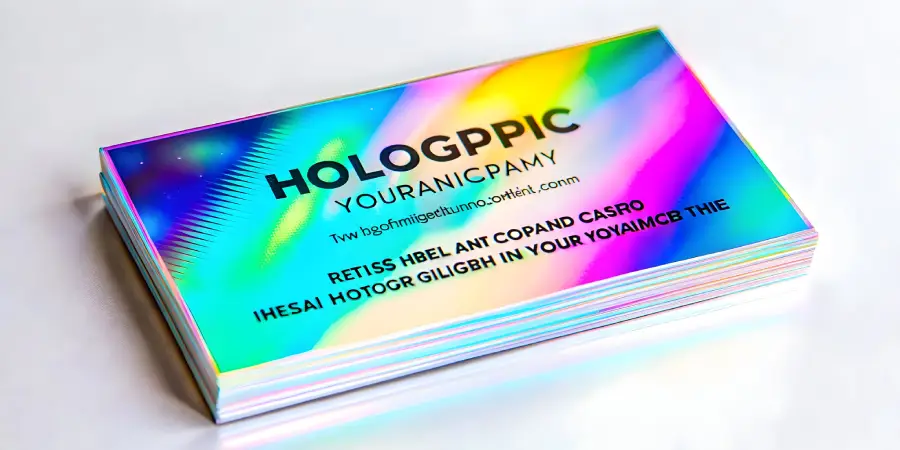
Spot UV enhances selected design elements through glossy highlights and visual contrast. Designers usually apply this finish to logos, headlines, icons, or graphic patterns to direct customer attention toward important areas. Spot UV performs best when paired with matte or soft-touch surfaces because the contrast between reflective and non-reflective areas becomes more visible. This technique improves visual hierarchy without overwhelming the overall design.
Each finish supports a different objective within print production. Lamination improves durability, soft touch strengthens tactile quality, and Spot UV increases visual emphasis. When businesses align these finishes with brand identity and design structure, printed materials become more professional, more engaging, and more visually effective.
Lamination vs Soft Touch vs Spot UV: Which Print Finish Works Best?
Lamination, soft touch, and Spot UV differ mainly in their function within print production, and understanding these differences helps improve decision-making before selecting a final finish. Each option supports a specific goal in the printing process, so choosing the right one depends on whether the focus is protection, tactile quality, or visual emphasis.
Lamination primarily supports durability and surface stability, while soft touch focuses on enhancing tactile experience and perceived product value. Spot UV, on the other hand, is used to highlight specific design elements and create visual contrast within a layout.
From a production standpoint, these finishes are not competing options but functional tools that serve different layers of the design. The effectiveness of each one becomes clearer when evaluated based on use case, material type, and branding objective.
This comparison helps simplify selection before moving into detailed technical differences.
| Feature / Aspect | Lamination | Soft Touch | Spot UV |
|---|---|---|---|
| Primary Function | Protects printed surface and increases durability | Enhances tactile feel and perceived luxury | Highlights specific design elements through gloss contrast |
| Main Value | Long-term protection against scratches, moisture, and wear | Premium sensory experience and brand perception | Visual emphasis and improved design hierarchy |
| User Experience | Smooth surface with either matte or gloss finish | Soft, velvety, and premium touch experience | Glossy accents on selected areas for visual focus |
| Best Use Cases | Flyers, brochures, menus, packaging with frequent handling | Luxury packaging, business cards, high-end branding materials | Logos, headlines, focal design elements in clean layouts |
| Design Impact | Improves overall finish and durability | Strengthens emotional and tactile brand connection | Creates contrast and guides viewer attention |
| Strategic Role | Functional protection layer | Brand experience enhancement layer | Visual communication enhancement layer |

Key Principles for Using Spot UV and Other Print Finishes Effectively
Professional use of print finishes creates the strongest results when designers align each finish with the design objective, visual structure, and brand message. Spot UV and other print finishes work best as enhancement tools rather than standalone decorative effects. For that reason, the way designers apply these finishes directly influences the final quality and overall brand perception.
Brands that use print finishes strategically create a more consistent visual experience and communicate their identity more clearly. In contrast, excessive or unstructured use often reduces visual focus and weakens the overall design direction. Material selection also plays an important role in this process, and designers must choose the right gsm to ensure finishes perform correctly on the chosen paper stock.
Key considerations in professional print finishing:
- Designers apply Spot UV selectively to key elements such as logos and primary headlines.
- Designers create intentional contrast between matte and glossy surfaces.
- Designers prevent visual clutter by limiting excessive finishing effects.
- Designers maintain consistency between print finishes and brand identity across all materials.
- Designers evaluate the paper stock and surface material before selecting a finish.
- Production teams control print accuracy and finishing quality during the manufacturing stage.
- Designers use finishes to guide customer attention rather than to add unnecessary decoration.
This approach allows print finishes to do more than improve appearance. Strategic finishing strengthens visual communication, supports brand positioning, and increases the overall impact of printed materials.
How to Choose the Right Print Finish Based on Budget and Brand Identity
Choosing the right print finish creates the most value when businesses balance budget, brand identity, and design objectives strategically. Each finish offers a different level of cost, visual impact, and customer experience. Decisions based only on appearance can increase production expenses while weakening brand consistency and reducing the effectiveness of the final design.
Brand identity should guide the first stage of the decision-making process. Brands that focus on consistency often need to match finish to paper type to maintain visual and tactile alignment.This finish improves durability while maintaining a clean and professional appearance. In contrast, brands that prioritize luxury, exclusivity, and premium customer experience often gain more value from soft touch finishes because they strengthen tactile quality and elevate perceived brand value.
The purpose of the printed product also influences the right finishing choice. When businesses scale print production across multiple formats and finishing techniques, it can significantly affect turnaround impact, especially in time-sensitive campaigns or bulk orders.
Budget plays a major role in determining the finishing strategy. Lamination typically represents the most cost-effective option and works well for large-volume commercial printing projects. Soft touch finishes require a higher investment because of their premium tactile effect. Spot UV costs vary depending on the complexity of the design and the amount of coverage applied to the printed surface. In projects with tighter budgets, combining lamination with limited Spot UV applications can create a balanced result between visual impact and production cost.
Professional print finishing decisions happen when businesses treat finishes as part of the overall branding strategy rather than as decorative additions. Strong alignment between brand identity, audience expectations, product usage, and budget allows printed materials to look more refined, communicate more effectively, and deliver a stronger overall customer experience.