Educational Articles
Flyer Sizes Explained A4/A5/A6/DL
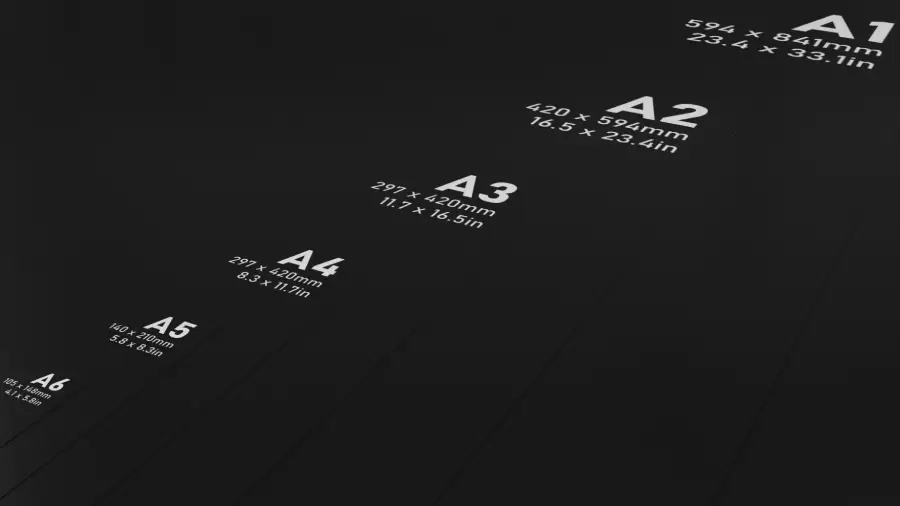
Flyer Sizes directly influence how audiences read, understand, and respond to your message. The dimensions you choose affect readability, content structure, and overall engagement. Understanding flyer printing fundamentals also helps ensure consistent print quality and a more professional final result.
Each flyer format serves a different purpose. Smaller sizes such as A6 work well for fast distribution and short messaging. Larger formats like A4 provide more room for detailed content and visuals. A5 and DL offer a balanced solution, combining readability with practical handling and distribution.
From a strategic perspective, selecting the right Flyer Sizes means matching the format to your campaign goals. The wrong size can reduce clarity and increase printing costs, while the right format improves communication and overall campaign performance.
In the following sections, we’ll explore the most common flyer sizes and explain where each format performs best.
A4 vs A5 vs A6 vs DL Flyer Sizes Comparison
When comparing Flyer Sizes, the most important factor is how well each format supports your campaign goals. Different sizes offer different levels of content capacity, readability, cost efficiency, and distribution flexibility. Larger formats provide more space for detailed messaging, while smaller sizes improve portability and high-volume distribution.
The comparison below highlights the strengths and limitations of the most commonly used flyer sizes, helping you select the format that best aligns with your marketing strategy.
| Flyer Size | Dimensions (mm) | Best Use Case | Marketing Objective | Key Advantage | Limitation |
|---|---|---|---|---|---|
| A4 | 210 × 297 | Detailed brochures, services | Inform & educate | Maximum space for content | Higher cost, less portable |
| A5 | 148 × 210 | Promotions, events | Balance awareness & engagement | Cost-effective + versatile | Limited depth for complex info |
| A6 | 105 × 148 | Mass distribution | Quick awareness | Low cost, high reach | Very limited content space |
| DL | 99 × 210 | Direct mail, structured messaging | Guide & convert | Professional, easy to follow | Narrow layout constraints |
A4 Size: Detailed Communication Within Flyer Sizes
When it comes to Flyer Sizes, businesses often choose A4 because it offers the most versatility and information capacity. The 210 × 297 mm format gives designers enough space to present detailed content while keeping layouts clear and readable. This balance allows marketers to structure information without overwhelming the audience.
Companies use A4 when they need to explain a message instead of focusing only on quick exposure. They apply this size in service brochures, product overviews, and informational flyers that require structured communication across multiple sections. The larger surface supports a combination of text, visuals, and branding elements in a coherent layout.
A4 also strengthens content hierarchy. Designers organize information into clear sections, highlight key points, and guide readers through a logical flow. This structure helps audiences understand complex messages faster and with less effort. As a result, businesses improve communication quality and maintain a professional presentation across campaigns.
However, A4 does not always fit every use case. Businesses face higher printing costs compared to smaller Flyer Sizes, and they avoid using it for large-scale mass distribution. Instead, they target specific audiences where education, trust-building, and detailed explanation matter more than quick attention.
Production decisions also affect performance. Paper selection, including weight, finish, and durability, plays a direct role in output quality. The gsm and thickness guide helps marketers choose the right materials so they can match physical feel with campaign purpose and improve overall consistency.
Design flexibility also makes A4 valuable. Designers experiment with spacing, layout structure, and visual storytelling to create stronger brand impact while keeping content organized and easy to follow.
Overall, A4 remains one of the most effective Flyer Sizes for detailed communication. Businesses use it when they need space, clarity, and structure to deliver messages that drive understanding and engagement.
A5 Format: Balanced Marketing Use Across Flyer Sizes
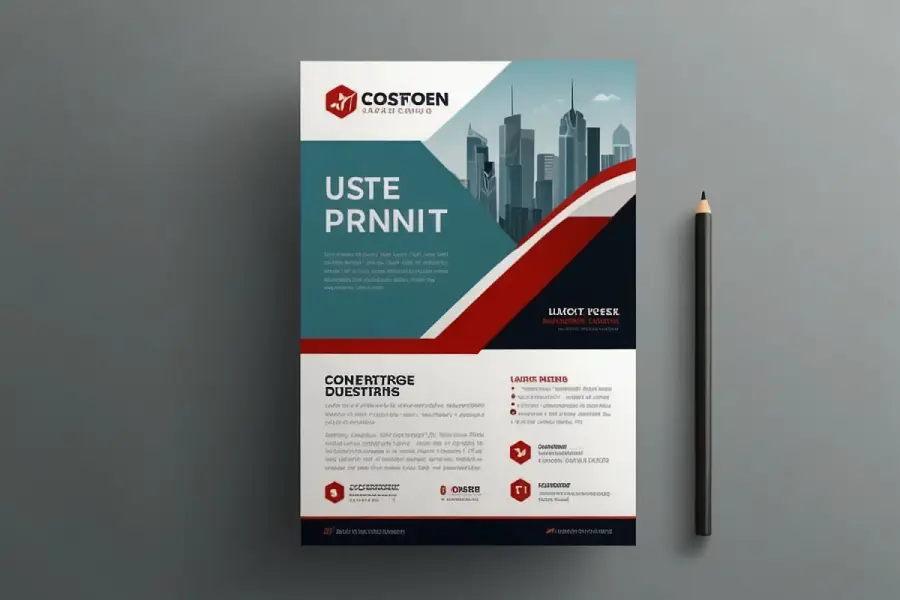
Within Flyer Sizes, A5 remains one of the most practical and widely used formats. Measuring 148 × 210 mm, it balances space, portability, and cost-efficiency for many marketing campaigns.
A5 works well when businesses need clear communication without overwhelming readers. It provides enough space for essential information, visuals, and a focused call to action while maintaining an easy-to-handle format. This balance makes it ideal for promotions, events, retail offers, and brand communication.
One of A5’s main strengths is its versatility across print and distribution channels. Teams can hand it out directly, place it in high-traffic areas, or include it in packaging. Its compact size also supports cost-efficient bulk printing without reducing content effectiveness.
Campaign performance also depends on scale, and businesses improve results when they apply structured print quantity planning. This approach helps teams balance budget, distribution volume, and audience reach more effectively, especially in high-volume promotional campaigns.
From a design perspective, A5 encourages clarity and focus. The limited space pushes designers to prioritize key messages and remove unnecessary elements. This approach leads to cleaner layouts and improves message clarity, which often increases engagement rates.
However, A5 does not always fit campaigns that require extensive detail or complex explanations. In those cases, space limitations reduce effectiveness, and larger formats such as A4 provide better support for detailed communication. Still, A5 remains a strong choice for most standard marketing use cases because it balances efficiency with impact.
In the broader context of Flyer Sizes, A5 continues to deliver consistent performance. Businesses rely on it when they need a flexible, cost-conscious format that supports both strategic messaging and practical distribution needs.
A6 Flyer Size: Designed for Mass Distribution
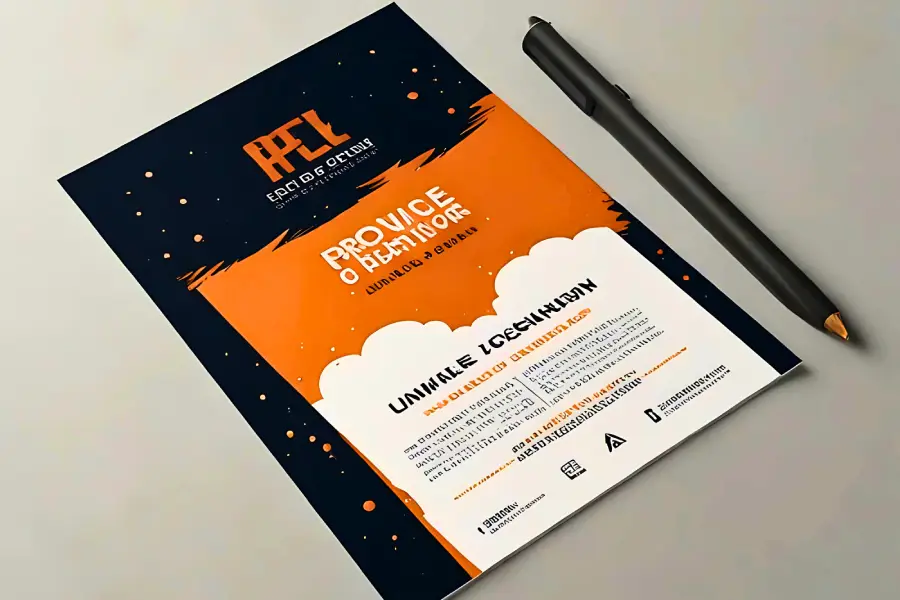
Among the various Flyer Sizes, A6 is specifically designed for efficiency and scale. With dimensions of 105 × 148 mm, this compact format is ideal for campaigns where the primary goal is to reach as many people as possible with a simple, clear, and direct message.
A6 works best when your communication needs to be fast and easily digestible. The limited space naturally encourages concise messaging, which is particularly effective for promotions, discount offers, event announcements, and short calls to action. Instead of overwhelming the audience with too much information, A6 focuses on delivering a single, focused message that can be understood in seconds.
One of the key advantages of A6 within Flyer Sizes is its cost efficiency. Printing in this format allows you to produce large volumes at a relatively low cost, making it a strong option for high-reach campaigns. This makes it especially suitable for businesses that rely on foot traffic, direct distribution, or large-scale awareness efforts.
From a design standpoint, A6 requires a disciplined approach. Every element must serve a clear purpose, as there is no room for unnecessary details. Strong headlines, minimal text, and a clear visual hierarchy are essential to ensure the message remains effective. When designed well, even a small format like A6 can deliver a high level of impact.
However, due to its size, A6 is not suitable for complex messaging or detailed explanations. It is best used when the objective is to generate quick attention rather than provide in-depth information. In the broader context of Flyer Sizes, A6 is a tactical choice—highly effective when used in the right scenario, but not a universal solution.
Overall, A6 is a powerful tool for campaigns that prioritize reach, simplicity, and cost efficiency, making it a valuable component in any flyer strategy.
DL: Structured Communication for Professional Messaging
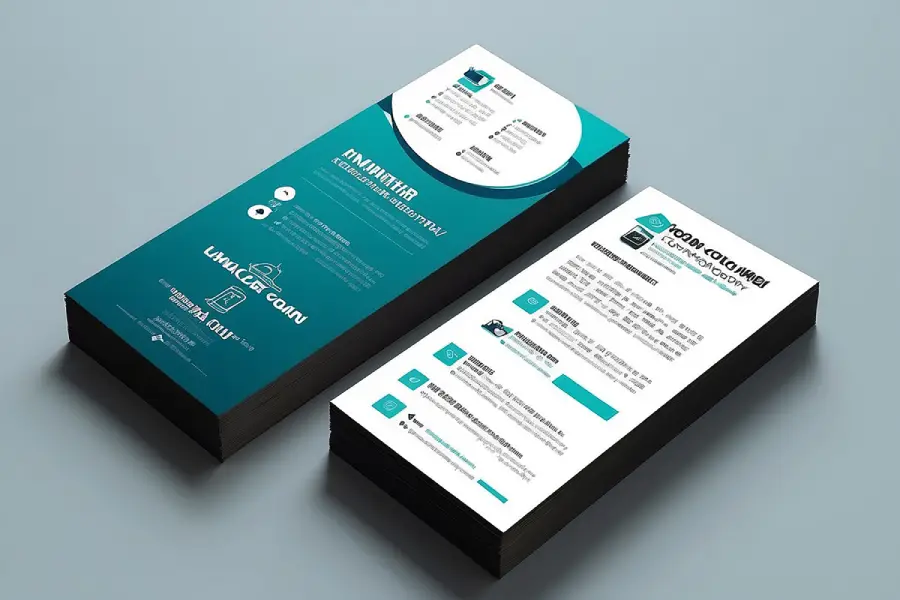
Within the landscape of Flyer Sizes, DL stands out as a distinct, highly structured format that communicates professionalism and clarity. Measuring 99 × 210 mm, this elongated design separates itself from traditional flyer dimensions and supports communication strategies that rely on linear information flow and structured presentation.
DL performs strongly in direct communication scenarios where messaging must remain formal, organized, and easy to follow. Its vertical layout naturally guides the reader’s attention from top to bottom, which makes it suitable for storytelling, service descriptions, and guided informational content. This structure improves comprehension and creates a more predictable reading experience for audiences.
A key advantage of DL within Flyer Sizes is its strong compatibility with direct mail campaigns. It fits standard envelopes, which makes it highly practical for postal distribution and targeted outreach strategies. Businesses use this format to strengthen professional presentation and ensure reliable delivery in formal communication channels.
From a production perspective, designers and print teams must plan DL layouts with precision. They manage trim boundaries carefully and protect essential content during production by applying bleed and safe area setup standards. This process helps teams avoid cutting errors and maintain consistent visual quality across all printed materials.
From a design perspective, DL requires disciplined spacing, strong typography, and a clear content hierarchy because its narrow layout limits visual flexibility. Designers use each element carefully to maintain readability and visual flow.
However, DL does not support campaigns with heavy visuals or complex datasets. Businesses use this format for structured messaging and focused communication goals within Flyer Sizes.
Overall, DL delivers a refined structure that supports clarity, professionalism, and targeted communication across specific marketing campaigns.
conclusion
Choosing between different Flyer Sizes should follow a clear strategic framework rather than personal preference. The right choice depends on campaign goals, audience behaviour, message complexity, and distribution context. When these factors align, the flyer becomes a functional marketing tool instead of just a design format.
Each flyer size serves a specific purpose. A6 works best for high-reach awareness campaigns where speed and simplicity matter. A4 supports detailed communication and trust-building content. A5 offers a balanced solution for general marketing use. DL performs well in structured and formal communication, especially in direct mail campaigns.
A common mistake is choosing flyer sizes based on convenience instead of purpose. This often creates either overcrowded layouts or unused space, which reduces clarity and weakens engagement. A structured approach prevents these issues and improves communication effectiveness.
However, size alone does not guarantee success. Strong visual hierarchy, clear messaging, and a focused call to action also play a major role. When these elements work together, even compact formats can deliver strong results.
In practice, flyer size selection should always be part of a broader marketing strategy. Businesses achieve better outcomes when they treat format choice as a performance decision. This approach improves clarity, increases engagement, and strengthens conversion potential across print campaigns.