Educational Articles
Eco-Friendly Flyer Printing Options Explained
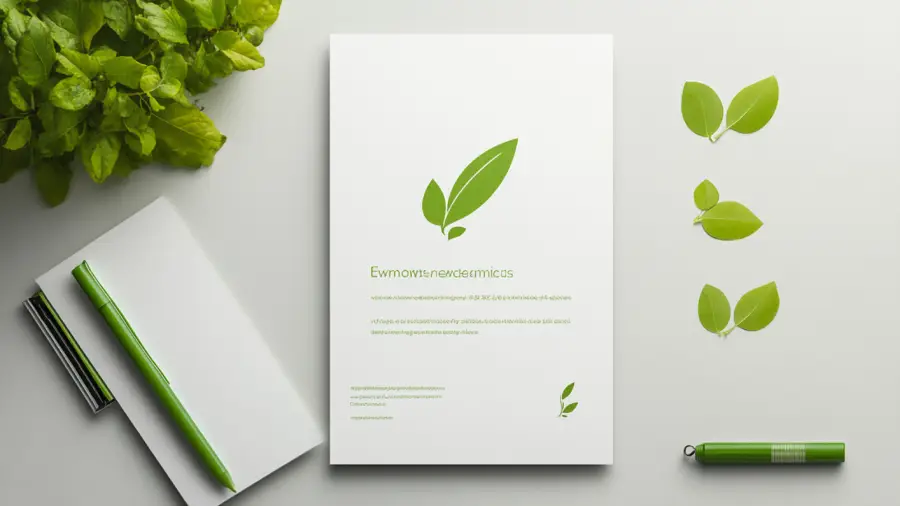
Eco-Friendly Flyer Printing has become a key consideration in modern print production projects, especially for businesses that want to balance print quality with environmental responsibility. Today, choosing a flyer printing approach is no longer based only on cost or visual appeal. Instead, it requires a deeper evaluation of materials and print options, production methods, and the overall environmental impact of the process.
In many real-world cases, teams still make decisions without a structured framework. This leads to inconsistent results, unnecessary costs, and misaligned sustainability goals. These issues become even more significant in high-volume printing. Small planning mistakes can scale into major financial and environmental inefficiencies.
A more structured approach to Eco-Friendly Flyer Printing helps businesses move away from guesswork and toward informed decision-making. When teams evaluate paper characteristics, printing technologies, and production requirements together, they can create a more balanced outcome that supports both performance and sustainability objectives.
This shift in approach is essential for ensuring that every printing decision contributes positively to brand perception, operational efficiency, and environmental responsibility.
What Is Eco-Friendly Flyer Printing and Why Does It Matter for Businesses
Eco-friendly flyer printing refers to a set of methods and choices where businesses actively reduce the environmental impact of the printing process without compromising output quality or performance. In this approach, decisions include factors such as raw material sourcing, printing method, and ink selection, all aligned with paper options at the planning stage.
For businesses, this type of printing is not just an ethical choice—it is a strategic decision. Modern customers increasingly evaluate how brands behave, and adopting sustainable printing practices can significantly improve brand perception. When a company uses recycled materials or low-consumption production processes, it sends a clear signal that it takes environmental responsibility seriously.
From an operational perspective, eco-friendly printing can also deliver tangible advantages. Many Eco-Friendly Flyer Printing methods are designed for efficiency and reduced resource consumption. In high-volume projects, this efficiency can translate into lower long-term costs, especially when materials and printing methods are selected strategically.
In addition, alignment between design and material selection becomes more critical in this approach. When the design process considers the limitations and characteristics of sustainable printing from the beginning, the final output performs better both visually and functionally.
Overall, eco-friendly flyer printing combines intelligent decision-making with precise execution, helping businesses strengthen their brand image while optimizing their printing processes.
What Type of Paper Is Best for Eco-Friendly Flyer Printing
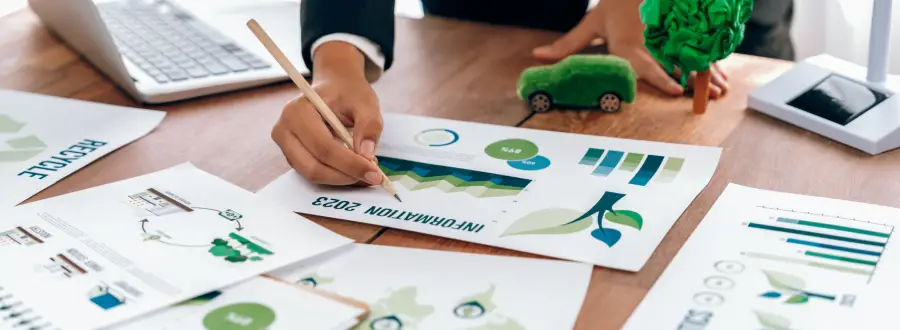
Paper selection in Eco-Friendly Flyer Printing directly affects print quality, cost efficiency, and sustainability performance. Each paper type changes ink behavior, color reproduction, and final durability. Designers evaluate materials carefully because quantity planning strongly influences which paper option becomes the most cost-effective.
Recycled paper supports Eco-Friendly Flyer Printing by reducing demand for virgin materials. It uses recovered fibers and lowers environmental impact. However, it creates a rougher surface and limits sharp color output and fine detail accuracy. Designers use it mainly for simple layouts and minimal visual complexity.
FSC-certified paper provides stronger balance between quality and sustainability. It comes from responsibly managed forests and supports consistent color reproduction. Brands use this option when they need reliable visual performance and certified environmental standards for professional campaigns.
Uncoated paper creates a natural finish and improves tactile feel. It absorbs ink quickly and reduces glare on printed surfaces. However, it lowers saturation and reduces contrast compared to coated alternatives. Eco-friendly coated papers improve sharpness and color depth while still maintaining sustainable production standards.
Key decision factors for Eco-Friendly Flyer Printing paper selection:
- Project purpose and communication goal, since each campaign requires a specific visual tone and material experience.
- Color accuracy and visual performance needs, especially for brand-driven or image-heavy flyer designs.
- Budget and production efficiency targets, which determine whether teams choose recycled or certified materials.
- Sustainability standards and certification level, including FSC compliance or recycled material sourcing.
- Design complexity and detail density, which affects how well paper preserves sharpness and visual clarity.
Teams achieve better results when they align paper selection with design intent and production constraints. This approach improves Eco-Friendly Flyer Printing quality, reduces waste, and ensures consistent output across all campaigns.
Eco-Friendly Flyer Printing Methods and Guide
Eco-Friendly Flyer Printing Methods and Guide explains how businesses choose between digital and offset printing to balance cost, quality, and environmental impact. Digital printing works best for small and flexible orders, while offset printing delivers better efficiency for large-scale production.
Each method affects output quality, cost per unit, and material usage in different ways. Digital printing reduces setup waste and supports fast turnaround, while offset printing improves consistency and lowers cost in high volumes.
Businesses achieve better results when they match the printing method with project size, design complexity, and budget goals. Eco-Friendly Flyer Printing improves when teams evaluate paper type, ink choice, and production workflow before final execution.
This guide helps decision makers compare options clearly and choose the most efficient and sustainable printing approach for each project.
Eco-Friendly Flyer Printing Methods Comparison
| Printing Option | Cost Efficiency | Print Quality | Sustainability | Best Use Case |
|---|---|---|---|---|
| Digital Printing | Medium | Medium | High | Small or flexible orders |
| Offset Printing | High (for large volume) | High | Medium-High | Bulk production projects |
| Digital + Recycled Paper | Medium | Medium | Very High | Eco-focused campaigns |
| Offset + FSC Paper | Medium-High | High | Very High | Professional branding projects |
What Inks and Consumables Are Best for Green Flyer Printing
In Eco-Friendly Flyer Printing, the selection of inks and consumables plays a critical role in reducing environmental impact while maintaining high print quality. This stage of production directly influences chemical emissions, material efficiency, and the recyclability of the final product. It makes this step an essential part of sustainable print planning.
Vegetable-based inks are widely used in green printing because manufacturers produce them from natural oils instead of petroleum-based compounds. These inks release fewer volatile organic compounds during printing while still delivering strong color performance. Water-based inks also support eco-friendly production by reducing pollution levels and simplifying the drying process, although they may produce slightly softer color intensity in some design applications.
Beyond inks, other consumables such as coatings, laminates, and printing additives also play a significant role. Choosing recyclable coatings or plastic-free finishing materials can significantly reduce the environmental footprint of the final product. In addition, using certified and environmentally compliant materials strengthens the credibility of the project and supports brand positioning, along with paper weight choices that influence overall print planning decisions.
Overall, selecting inks and consumables in Eco-Friendly Flyer Printing is not just a technical decision. It is a strategic choice that directly impacts sustainability, brand perception, and final output quality.
Conclusion
Choosing the right option in Eco-Friendly Flyer Printing delivers real value when decision-making is based on a unified perspective that integrates cost, quality, and sustainability.
Every stage of the process—from paper selection to printing method and ink type—affects the final outcome. This makes it essential to evaluate all components as a connected system rather than in isolation.
In practice, businesses achieve the best results when they balance marketing objectives with environmental goals. Focusing only on the lowest-cost option often leads to weaker brand perception over time, while prioritizing quality without considering resource efficiency can generate unnecessary expenses and operational inefficiencies.
Ultimately, eco-friendly flyer printing is not a one-time tactical choice—it is part of a long-term brand strategy. When businesses make decisions with clarity and data-driven reasoning, they reduce environmental impact and improve the quality and effectiveness of their brand communication.