Educational Articles
Paper Types: Gloss vs Silk vs Matte for Flyers
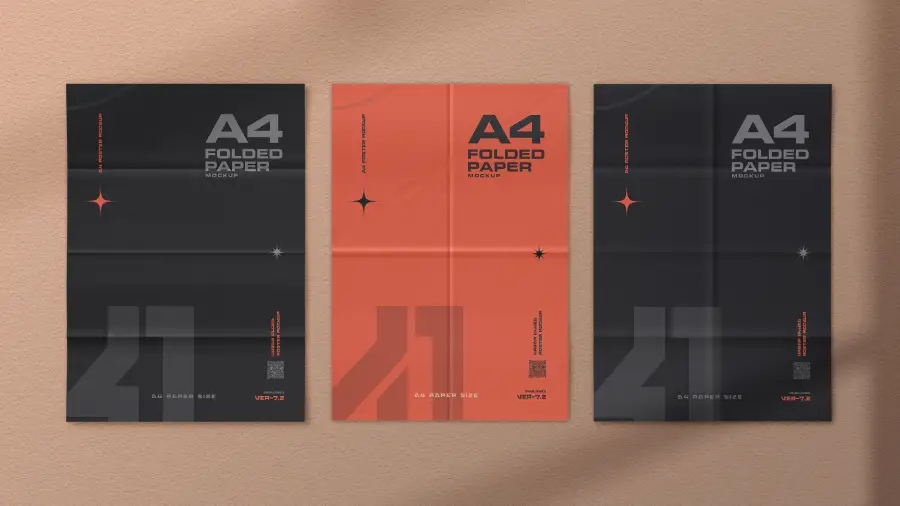
In flyer printing, selecting the right Paper Types plays a critical role in determining the overall effectiveness of a campaign. Paper choice goes beyond a purely technical decision. It directly influences audience perception of quality, brand identity, and message impact.
Each Paper Type offers distinct characteristics. These include light reflection, color reproduction, and tactile feel. All of these factors shape the user experience.
Choosing between different paper choices for flyers is, in essence, a strategic communication decision. Some options enhance color vibrancy and visual appeal, making designs more eye-catching, while others prioritize text clarity and convey a more refined, professional tone. These differences become especially important across marketing campaigns, events, and corporate use cases where both presentation and readability affect performance.
This content provides a structured and comparative analysis of three widely used Paper Types: Gloss, Silk, and Matte. The objective is to present a clear understanding of their advantages, limitations, and practical applications, enabling more informed and needs-based decision-making. It also simplifies the selection criteria to support faster and more confident choices.
Ultimately, this guide aims to support the selection of the most suitable option among various Paper Types, ensuring alignment with marketing objectives, design approach, and target audience expectations.
Gloss Paper in Paper Types
Gloss Paper is one of the most widely used options among Paper Types and plays a key role in creating strong visual impact in printed flyers. Its smooth, reflective surface enhances light interaction, allowing colors to appear more vibrant, sharp, and eye-catching. For this reason, it is particularly well-suited for designs that rely heavily on high-quality imagery and bold visual elements.
In terms of print performance, Gloss Paper significantly improves output quality. Images appear with higher contrast and finer detail, which strengthens the effectiveness of visual communication. Designers often evaluate paper weight through a structured gsm and thickness comparison before selecting the final material. As a result, many brands choose this paper type for flyers, brochures, and image-driven marketing materials where visual appeal is a priority.
However, this option is not always the most suitable choice in every scenario. The reflective surface can create glare under strong lighting conditions, which may reduce text readability. This limitation makes it important to maintain a clear balance between text and visuals during the design process to ensure that usability is not compromised.
Overall, Gloss Paper stands out among Paper Types as a strong choice for projects focused on immediate visual engagement and high-impact presentation. When aligned with a well-structured design approach, it can significantly enhance the effectiveness of printed marketing materials.
Silk Paper in Flyer Printing
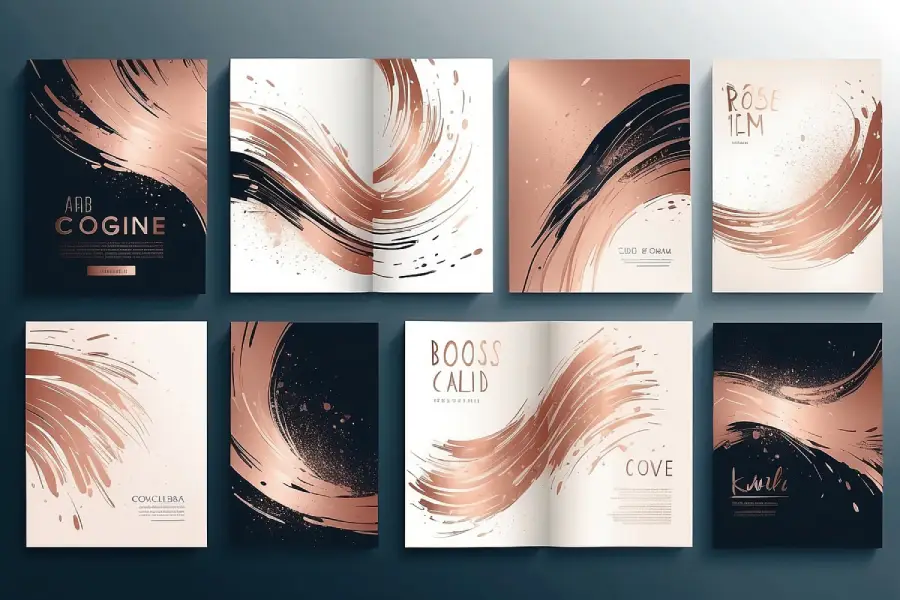
Silk Paper is considered a professional and balanced option among commonly used printing materials, making it a reliable choice for a wide range of marketing projects. With its semi-gloss finish and smooth texture, it combines key characteristics found across different finishing options. This balance positions Silk Paper as a versatile solution for designs that require both visual quality and functional readability.
The primary advantage of Silk Paper lies in its ability to maintain equilibrium between color accuracy and content clarity. Colors appear sharp and well-defined, while light reflection remains controlled and minimal. This ensures consistent performance under different lighting conditions, allowing content to remain clearly visible and easy to read without visual interference.
From a practical standpoint, Silk Paper works well for flyers, brochures, catalogs, and other promotional materials. Brands often choose it when they want to present a professional and trustworthy image without relying on overly glossy finishes. The surface supports both imagery and text effectively, enabling clear communication without distracting the viewer.
In terms of application, Silk Paper is particularly suitable for projects that require a balanced combination of aesthetics, quality, and readability. It enhances the overall user experience while preserving the integrity of the message, making it a dependable choice for structured and well-designed print materials.
Matte Paper in Paper Types
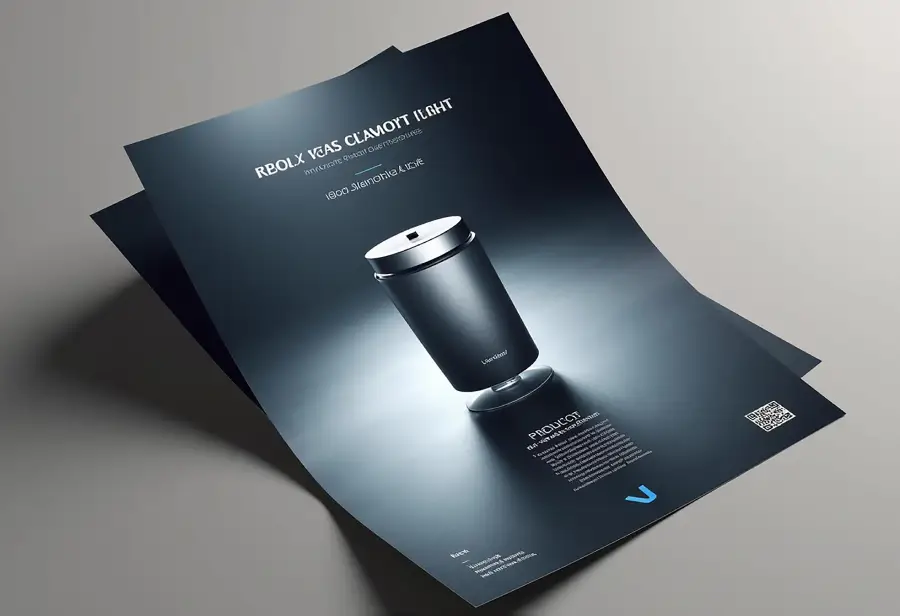
Matte Paper is a professional option among Paper Types, primarily focused on readability, simplicity, and delivering a clean, minimal visual appearance. Its non-reflective surface eliminates glare, allowing content to remain clear and accessible under various lighting conditions. For this reason, it is widely used in projects where text clarity and effective message delivery are critical.
In Matte Paper, colors appear more subdued compared to glossy finishes, but they offer greater visual consistency and stability. This characteristic reduces eye strain and helps maintain the reader’s focus on the content. Designers also rely on proper dpi for print quality to maintain sharp text and clean visual output on matte surfaces.
From a practical perspective, Matte Paper works best for text-heavy flyers, educational brochures, corporate documents, and materials that require high readability. Brands often choose it when they want to convey professionalism, reliability, and clarity. The surface supports distraction-free communication and delivers the message in a direct, structured way.
Overall, Matte Paper stands out among Paper Types as a strong choice when text clarity, reading comfort, and precise communication are the primary objectives. When aligned with content-focused design, it can significantly improve both user experience and message effectiveness.
Paper Types Comparison: Gloss vs Silk vs Matte
Before selecting between different Paper Types, understanding the key differences between Gloss, Silk, and Matte is essential. Each option offers distinct characteristics in terms of color reproduction, light reflection, and readability. The table below presents these differences in a structured and easy-to-compare format to support faster and more informed decision-making.
| Feature | Gloss (Glossy) | Silk | Matte |
|---|---|---|---|
| Visual Finish | Highly glossy and eye-catching | Semi-gloss and balanced | Fully matte and minimal |
| Color Appearance | Very vibrant and sharp | Natural and balanced | Soft and controlled |
| Text Readability | Medium (reduced in bright light) | High | Very high |
| Light Reflection | High | Low | No reflection |
| Image Detail Quality | Very high clarity | High clarity | Good clarity |
| Surface Feel | Smooth and polished | Soft and refined | Dry and simple |
| Primary Use | Visual and promotional designs | General and professional use | Text-heavy and formal content |
| Best Suited For | Immediate attention | Balanced content presentation | Clear communication and readability |
| Professional Perception | Premium and promotional | Professional and versatile | Formal and structured |
As shown in the comparison above, each of these Paper Types is designed for specific use cases. Gloss performs best when the goal is to capture attention quickly through strong visual impact. Silk provides a balanced solution where both imagery and readability are important. Matte, on the other hand, is more effective when clarity of text and uninterrupted reading experience are the priority.
Ultimately, the right choice among these Paper Types depends on the campaign objective, content structure, and the intended audience experience.
Which Paper Type Is Best for Your Flyer?
Selecting the right option among different Paper Types leads to the most effective outcome when it is based on campaign objectives, content structure, and usage conditions. Each option performs best in specific scenarios, and understanding these contexts supports more accurate decision-making.
- When the primary goal is to capture attention quickly and create strong visual impact, Gloss paper is often the most suitable choice, as it enhances color vibrancy and immediately draws the viewer’s attention.
- When readability and clear message delivery are the main priorities, Matte paper performs more effectively. It reduces glare and ensures a distraction-free reading experience.
- When projects need a balance between image quality and text clarity, Silk paper provides a reliable solution. Brands use it widely across professional print projects.
- In environments with strong lighting conditions, both Matte and Silk papers provide a more consistent reading experience by minimizing reflection and maintaining legibility.
- When the objective is to create a premium and promotional feel, Gloss paper delivers a stronger visual impression. It helps the brand stand out more prominently.
Ultimately, the most effective choice among different Paper Types happens when the selected material aligns with marketing goals and the intended audience experience.
conclusion
When selecting among different Paper Types, the most important consideration is to base the decision on the actual needs of the project and its marketing objectives, rather than personal preference or visual appeal alone. Each paper type has distinct characteristics and delivers optimal performance only when applied in the right context.
Gloss paper is most effective when the goal is to attract immediate attention and create strong visual impact.
Gloss paper works best for designs with vibrant imagery and bold colors. It delivers strong visual impact. In contrast, Matte paper works better when text clarity and precise message delivery matter most. It supports a distraction-free reading experience. It also helps the audience focus on the content without visual interference.
Within this spectrum, Silk paper is positioned as a balanced solution that delivers both solid visual quality and strong readability. This makes it a reliable choice across a wide range of professional print applications, where both design and content need to perform effectively.
From a strategic perspective, three key factors guide the selection among these Paper Types. These factors include content type, campaign objective, and usage conditions.
Stronger alignment between these factors leads to more consistent and effective results.
Ultimately, the right choice among Paper Types happens when the selected material communicates the message effectively. It also delivers an experience that matches audience expectations.